
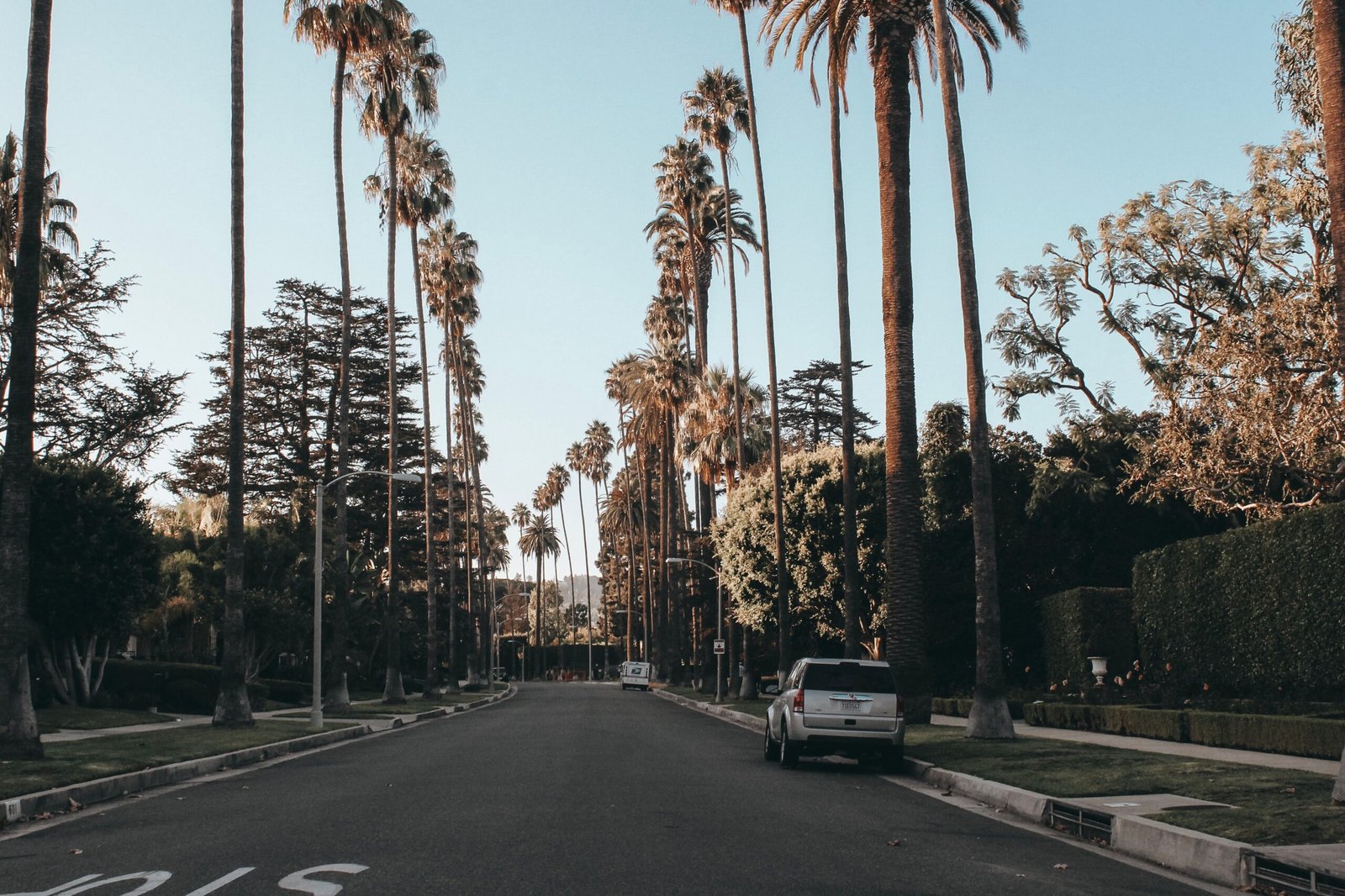
Best Time to Visit California: A Month-by-Month Breakdown
California is one of those rare destinations where the question “when should I visit?” doesn’t have a single answer. The state is enormous — roughly the size of Sweden — and packs coastal fog, desert heat, alpine snow, and Mediterranean sunshine all within a few hours’ drive of each other. What’s perfect weather for a Palm Springs pool day in July might be miserable for a San Francisco sightseeing trip during that same week.
This guide breaks California down month by month, so you can match your travel dates to your priorities — whether that’s beach weather, hiking trails, wine harvests, ski slopes, or simply avoiding crowds and high prices. No prior knowledge of California’s geography required; we’ll walk through it together.
A Quick Primer on California’s Climate
Before diving into the calendar, it helps to understand why California’s weather is so regionally split:
- The Coast (San Francisco, Monterey, Santa Barbara, San Diego) has a mild, Mediterranean climate. Summers here are surprisingly cool and foggy in the north, while Southern California’s coast stays warm and sunny for much of the year.
- Inland Valleys (Sacramento, Central Valley, wine country) see hotter summers and cooler, foggier winters than the coast.
- The Sierra Nevada Mountains (Lake Tahoe, Yosemite, Mammoth) have a true four-season climate, with heavy winter snowfall and warm, dry summers.
- The Deserts (Palm Springs, Death Valley, Joshua Tree) are scorching in summer and mild — even ideal — in winter.
With that in mind, here’s what to expect each month.
January
January is winter in the mountains and mild almost everywhere else. This is peak ski and snowboard season in the Sierra Nevada, with Lake Tahoe and Mammoth Mountain both typically blanketed in fresh snow. Meanwhile, coastal Southern California stays comfortably mild, and beaches are practically empty — a great time for a quiet walk on the sand, even if it’s too cool to swim.
This is also one of the cheapest months to visit California overall. Post-holiday hotel rates drop significantly in cities like Los Angeles and San Diego, and major attractions are far less crowded than during peak season.
Best for: Skiing and snowboarding, budget travel, quiet beach walks Skip if: You’re hoping for warm ocean swimming or Northern California sunshine
February
February keeps much of January’s mild, uncrowded charm while adding a touch of early spring energy. It’s a popular month for romantic getaways, with wine tasting in Napa and Sonoma feeling especially cozy thanks to smaller crowds and crackling fireplaces in tasting rooms.
Ski season is still going strong in the Sierra Nevada, and coastal Southern California continues to offer pleasant, jacket-optional afternoons. Rain is possible statewide, particularly in Northern California, so pack for occasional wet days.
Best for: Wine country visits, couples’ trips, continued skiing Skip if: You want guaranteed sunshine every day
March
Spring begins to show itself in March, most dramatically through California’s wildflower season. Depending on rainfall that year, areas like Anza-Borrego Desert State Park and Antelope Valley burst into vibrant color, drawing photographers and nature lovers from all over the state.
This is also a strong month for whale watching along the coast, as gray whales migrate past popular viewing points in Monterey, Dana Point, and San Diego. Weather remains mild, though ocean water is still quite cold for swimming.
Best for: Wildflower viewing, whale watching, mild-weather sightseeing Skip if: You’re set on warm beach days
April
April is widely considered one of the best all-around months to visit California, and it’s easy to see why. Temperatures are comfortable nearly everywhere, crowds haven’t yet reached summer levels, and Yosemite’s waterfalls are approaching their most powerful flow thanks to melting mountain snow.
Food lovers will find plenty to enjoy this month too, as farmers markets ramp up and various food festivals take place across the state. It’s also a lovely time for a coastal road trip, since spring greenery and wildflowers add extra color to routes like Highway 1.
Best for: Yosemite waterfalls, road trips, food festivals, moderate crowds Skip if: You need warm ocean water — it’s still chilly this time of year
May
May continues April’s momentum as one of the sweet-spot months for California travel. Yosemite Falls typically peaks in flow during this month, making it one of the best times of year to witness the park’s waterfalls at full power.
Along the coast, be aware of “May Gray” — a pattern of overcast mornings that can linger into early afternoon before clearing, particularly in Southern California. It’s usually followed by pleasant afternoon sun, so it’s rarely a dealbreaker, just something to plan around if you’re hoping for all-day beach weather.
Best for: Yosemite and national park visits, hiking, moderate temperatures Skip if: You want guaranteed all-day sunshine at the coast
June
June marks the unofficial start of peak travel season. Weather turns reliably warm across most of the state, school schedules free up for summer travel, and crowds — along with prices — begin to climb accordingly.
Coastal Northern California, however, is famous for something locals call “June Gloom” (also nicknamed “Karl the Fog” in San Francisco): a persistent marine layer that keeps mornings cool and overcast well into the month. First-time visitors expecting warm San Francisco summers are often surprised by how cool and foggy the city actually gets this time of year — pack layers if you’re headed there.
Best for: Southern California beach trips, the start of summer activities Skip if: You’re visiting San Francisco expecting sunny, warm weather
July
July is peak summer in California, and it shows. Southern California delivers dependable 80–90°F beach days, inland valleys and deserts turn scorching hot, and popular attractions — from theme parks to national parks — see their highest crowds and prices of the year.
If beach weather and long daylight hours are your priority, July delivers in spades, especially in San Diego, Orange County, and the greater Los Angeles coastline. Just be prepared for the crowds that come with it, and consider booking accommodations and popular attractions well in advance.
Best for: Classic beach vacations, family summer trips, long daylight hours Skip if: You dislike crowds, high prices, or extreme desert heat
August
August largely mirrors July: hot inland, busy at the beaches, and pricey almost everywhere. Ocean water along the Southern California coast reaches its warmest temperatures of the year (typically 68–72°F by this point), making it one of the best months for swimming and water sports.
Inland areas and deserts remain intensely hot, so destinations like Palm Springs or Death Valley are best avoided this month unless you’re specifically prepared for triple-digit heat. Coastal cities remain the most comfortable option statewide.
Best for: Ocean swimming, coastal vacations, water sports Skip if: You’re planning to visit desert regions or want to avoid summer crowds
September
September is frequently cited as one of the very best months to visit California — and for good reason. Summer crowds begin to thin out noticeably after Labor Day, while warm weather lingers, particularly along the coast. San Francisco, somewhat counterintuitively, often experiences some of its warmest, sunniest days of the year in September, once the summer fog pattern finally breaks.
This month also kicks off wine country’s harvest season, transforming Napa and Sonoma into a lively, colorful destination as grapes are picked and crushed. Hotel rates also start to ease compared to peak summer, offering noticeably better value.
Best for: Wine harvest season, warm weather with fewer crowds, San Francisco visits Skip if: You’re looking for winter sports or snow
October
October continues September’s winning streak, with pleasant statewide temperatures and continued harvest activities in wine country. It’s an especially popular month for theme parks and road trips, as the weather cooperates nearly everywhere without the intensity of summer heat.
Fall foliage, while more subtle in California than in the northeastern United States, does appear in certain pockets — particularly around the Eastern Sierra near Bishop and June Lake, where aspen groves turn brilliant shades of gold and orange.
Best for: Road trips, theme parks, wine country, subtle fall foliage Skip if: You’re hoping for cold-weather or snow activities
November
November offers good value for budget-conscious travelers, particularly in the first half of the month before Thanksgiving crowds pick up. Weather remains mild across most of the state, and it’s a comfortable time for city sightseeing in places like Los Angeles and San Diego.
The Sierra Nevada mountains typically begin receiving their first snowfall of the season, signaling the unofficial start of ski season, though conditions can be inconsistent early on. Coastal areas see increasing rain chances as the month progresses, especially in Northern California.
Best for: Budget travel, city sightseeing, early-season skiing (weather permitting) Skip if: You need guaranteed snow conditions for skiing
December
December brings a festive energy to California’s cities, with holiday events, lights, and markets popping up across Los Angeles, San Francisco, and San Diego. It’s also a solid month for skiing, as the Sierra Nevada typically has reliable snow cover by this point, particularly at higher-elevation resorts like Mammoth.
Crowds and prices pick back up around the Christmas and New Year’s holidays, so if you’re aiming for a quieter trip, the first half of the month tends to be more budget-friendly than the last two weeks.
Best for: Skiing, holiday events and festive city visits Skip if: You want to avoid holiday crowds and pricing (stick to early December instead)
Choosing the Best Time Based on What You Want to Do
If you’re still deciding, here’s a quick cheat sheet based on travel style:
- Best overall months for most travelers: April, May, September, and October — comfortable weather, moderate crowds, and good value across most of the state.
- Best for beach vacations: July and August, particularly in Southern California.
- Best for skiing and snowboarding: December through March in the Sierra Nevada.
- Best for wine country: September and October for harvest season; February for quieter, cozier tastings.
- Best for Yosemite and waterfalls: April and May, when snowmelt is at its peak.
- Best for avoiding crowds and saving money: January, February, and early November.
- Best for wildflowers and whale watching: March.
Final Thoughts
There’s no universally “perfect” month to visit California — only the best month for your particular trip. A September visit built around wine country and coastal sunshine looks completely different from a December ski trip to Mammoth, and both can be equally wonderful. The key is matching your travel dates to the region and activities you care about most, rather than assuming the whole state experiences the same season at once.
Whichever month you choose, pack layers, stay flexible with your plans, and remember that in a state this geographically diverse, a quick drive can often take you from foggy coastline to sun-drenched desert in the same afternoon.