
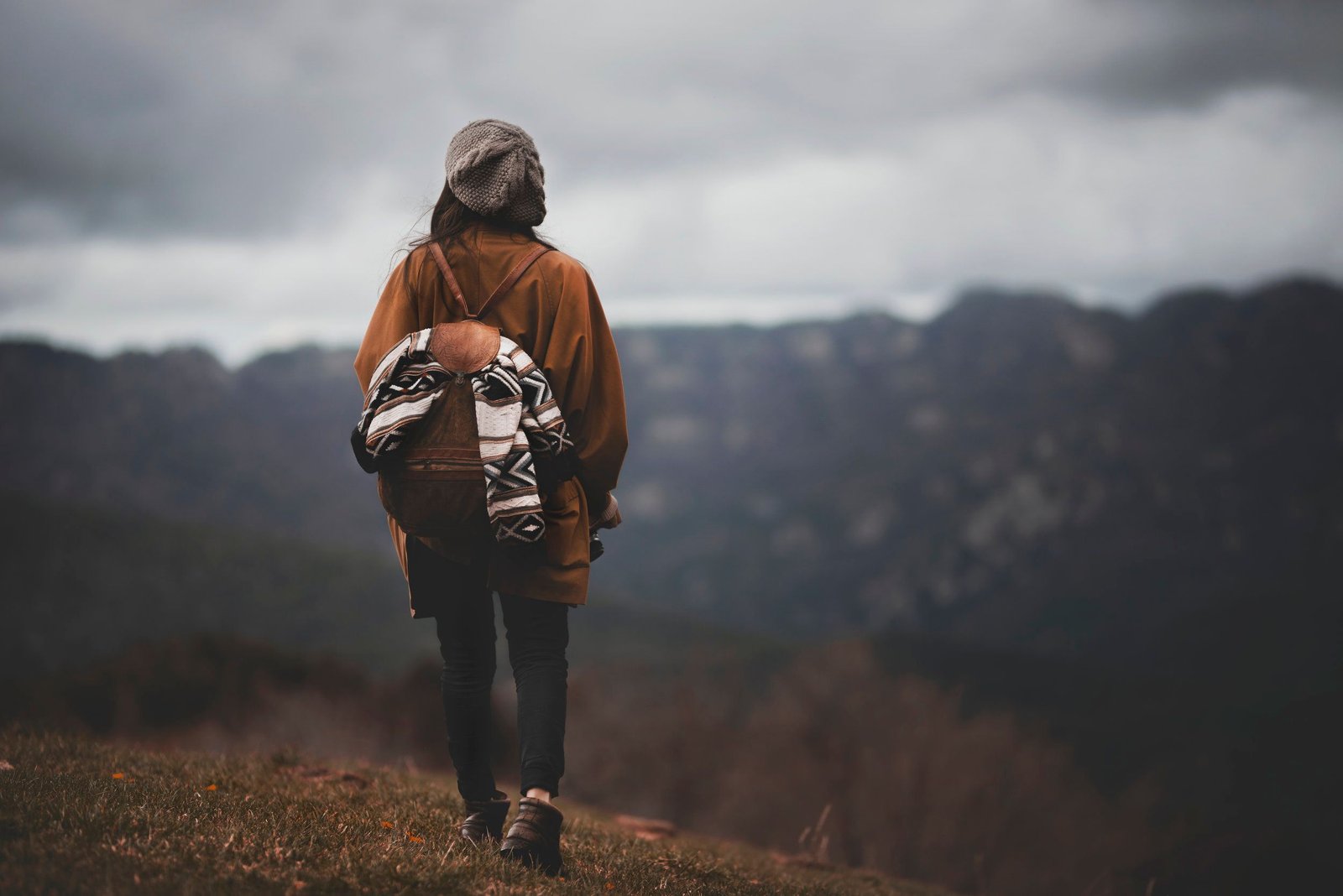
Solo female travel has moved well beyond niche territory. It’s now the dominant way many women choose to explore the world, backed by a global industry of apps, communities, and destinations built specifically with solo women in mind. If you’re considering your first solo trip, you’re joining millions of women who’ve discovered that traveling alone isn’t something to fear — it’s something to prepare for thoughtfully.
That distinction matters. Safety on the road isn’t about being anxious or avoiding adventure; it’s about being prepared enough to be bold. This guide walks through the practical, tested strategies experienced solo female travelers rely on, from picking your first destination to staying safe once you’re there.
Choosing Your First Destination Wisely
Not every destination makes an equally good starting point, and that’s completely fine — there’s no shame in choosing a gentler entry into solo travel before working up to more complex trips.
Countries that consistently rank among the safest and most welcoming for first-time solo female travelers include Denmark, Iceland, Finland, Japan, and New Zealand. These destinations share a few things in common: reliable public transportation, high walkability, widely spoken English, strong gender equality norms, and a culture where solo dining and solo exploration are simply unremarkable rather than something that draws attention.
Denmark in particular is often cited as an ideal first solo trip. Copenhagen is walkable and well-lit even at night, public transport between cities is dependable, and solo travelers are common enough that you won’t feel out of place eating alone or wandering on your own schedule. It isn’t a budget destination, but many first-timers find the added peace of mind genuinely worth the cost.
If you’re drawn to Asia, Japan is consistently highlighted for its extremely safe public transport system and a culture that’s generally respectful and welcoming toward solo travelers, whether you’re navigating Tokyo’s busy streets or exploring Kyoto’s quieter temples.
Before you book, look beyond general reputation and check destination-specific safety resources that track real, current conditions — including neighborhood-level data on harassment and theft risk, rather than relying purely on broad national statistics.
Before You Go: Preparation That Actually Matters
Book your first night’s accommodation in advance. Arriving in an unfamiliar country and having to search for a place to stay on the spot adds unnecessary stress right when you’re least equipped to handle it. Having your first night sorted lets you focus on getting oriented rather than scrambling.
Research your accommodation carefully. When browsing hostels, look specifically for female-only dorms, which most reputable hostels now offer — they tend to be not just safer, but often quieter and cleaner too. Read reviews with a critical eye, searching specifically for mentions of words like “safe,” “secure,” and “female.” Patterns, good or bad, tend to show up quickly once you know what to look for.
Set up an eSIM before you land. Don’t count on finding a physical SIM card shop the moment you arrive, especially if your flight lands late at night. An eSIM means your data works the instant your plane touches down, letting you call a rideshare or navigate to your accommodation immediately — and it’s often cheaper than a local SIM card, too.
Download key safety apps. Apps that map local emergency numbers to your exact GPS location are worth having installed before you need them, since fumbling to look up an unfamiliar country’s emergency number in a crisis wastes precious time. It’s much better to have this ready in advance than to search for it under pressure.
Get a reliable, paid VPN. Never log into your banking, email, or booking accounts on open public WiFi networks without protection. A reputable, paid VPN service is worth the small monthly cost — free VPNs often make their money by selling your data instead, which somewhat defeats the purpose.
Your First Hours in a New City
Take a walking tour on your very first day, if one’s available. This isn’t just a sightseeing activity — think of it as a non-negotiable orientation ritual. It gives you a literal lay of the land, helps you mentally map out which neighborhoods feel comfortable versus which to be more cautious in, and often introduces you to fellow solo travelers you might grab dinner with later.
Move with purpose, even if you don’t feel it yet. Looking lost can occasionally draw unwanted attention, while looking like you know exactly where you’re going — even if you’re just wandering toward the nearest gelato shop — tends to deter it. If you do need to check a map or your phone, step into a shop or café rather than pausing conspicuously in the middle of a street.
Prioritize rest in your first 48 hours. Jet lag, an unfamiliar climate, and a completely new routine can quietly weaken your immune system and your judgment right when you need both most. It’s tempting to hit the ground running out of excitement or fear of missing out, but giving yourself real rest early in a trip pays off for the rest of it.
Staying Connected Without Feeling Isolated
One of the biggest misconceptions about solo travel is that it means being alone the entire time. In reality, most solo female travelers build in plenty of social connection — it just takes a small amount of intention.
Join solo female travel communities before and during your trip. Large, active online communities exist specifically for women traveling alone, with millions of members and local city-specific groups where you can ask for advice or find a walking buddy, often within hours of posting.
Use apps and features designed for meeting other travelers. Some apps are built specifically to connect women with verified female travel companions, and many hostel booking platforms let you message other guests staying at your accommodation before you even arrive.
Say yes to structured activities early on. A cooking class, a free walking tour, or a yoga session on your first day in a new city creates a natural, low-pressure way to meet people without the awkwardness of trying to strike up conversation from nothing.
Sit at communal tables and be open to conversation. Simply putting yourself in spaces where conversation naturally happens — communal dining tables, coworking spaces, group excursions — makes connection far more likely than waiting for it to happen on its own.
Everyday Safety Habits Worth Building
Never assume you’ll have signal. Data can run out or connectivity can be blocked in certain areas, so it’s worth downloading offline maps and noting your accommodation’s address in writing as a backup.
Trust your instincts over politeness. If a situation or a person feels off, it’s always acceptable to leave, decline, or change your plans — you don’t owe anyone an explanation for prioritizing your own comfort and safety.
Keep your accommodation’s address and a local emergency contact easily accessible. Whether that’s saved in your phone, written on a card in your wallet, or both, having it readily available means you’re never scrambling to remember or search for it if you need it quickly.
Listen to your body, not just your itinerary. With no one around to remind you to hydrate, rest, or slow down, solo travel makes it easy to push past your limits without noticing. Building small check-ins with yourself into each day — how are you actually feeling, physically and mentally — helps you catch and address problems before they escalate.
Reframing the Fear
If there’s one shift worth making before your first solo trip, it’s this: safety isn’t the opposite of adventure — it’s what makes real adventure possible. Preparation doesn’t mean you’re being overly cautious or missing out; it means you’re setting yourself up to actually relax and enjoy the experience once you’re there, rather than spending your trip anxious about things you could have planned for in advance.
Millions of women travel solo every year, and the overwhelming majority come home with stories about kindness, connection, and unexpected confidence — not danger. With the right preparation, there’s no reason your first solo trip won’t be exactly that kind of story too.
Final Thoughts
Your first solo trip doesn’t need to be perfect, and it doesn’t need to prove anything. It needs to be thoughtfully planned, realistically paced, and paired with the kind of everyday habits — booking ahead, staying connected, trusting your instincts — that let you focus on the experience rather than the logistics.
Choose a destination that matches your current comfort level, build in room to rest and adjust, and stay open to the people and moments you’ll meet along the way. The confidence that comes from a well-prepared first solo trip has a way of staying with you long after you’re back home — and it tends to make every trip after it a little easier than the last.