
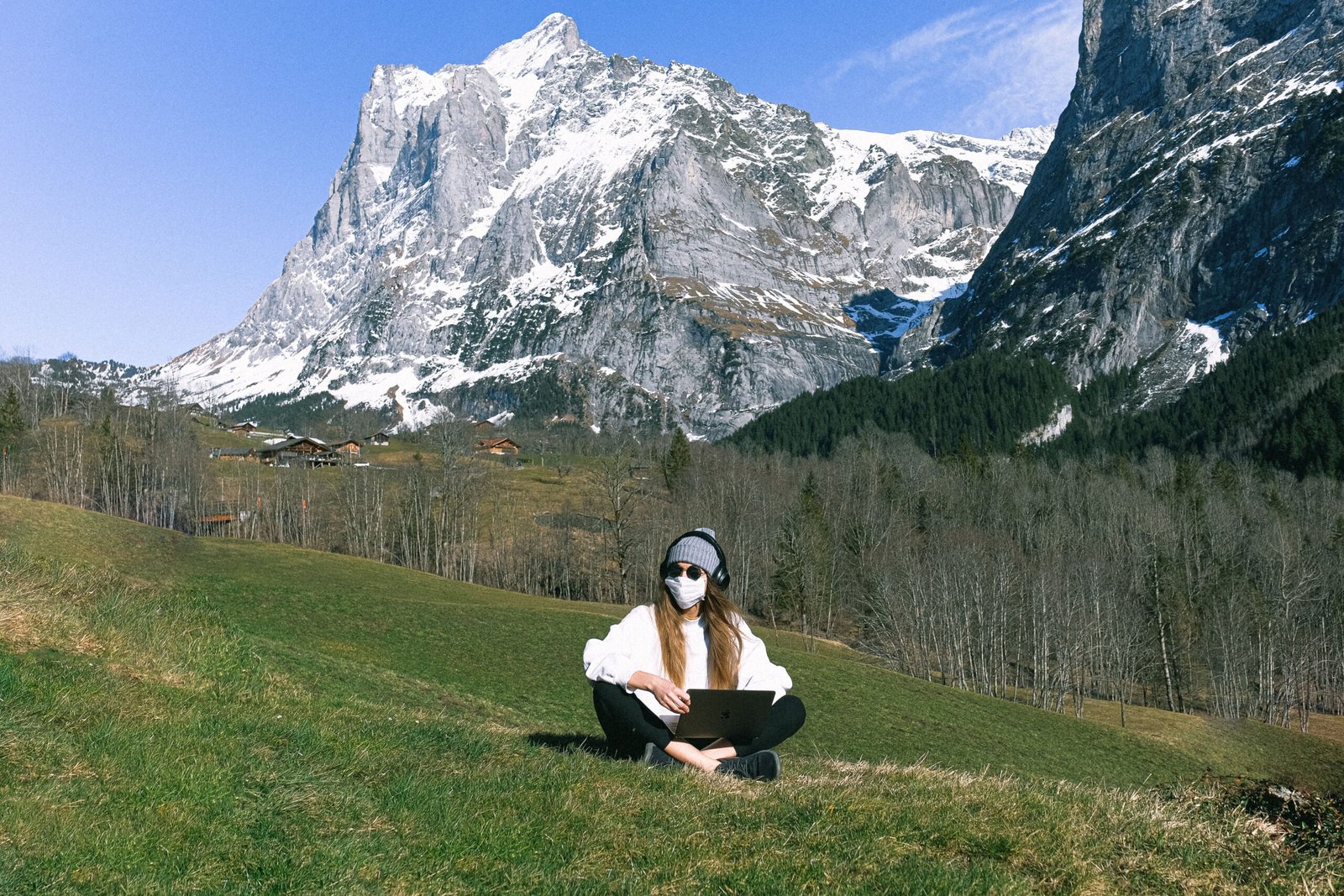
The digital nomad lifestyle has moved well past its early “laptop on the beach” image and into something far more practical: a genuine, structured way of living and working from anywhere, supported by dedicated visas, established co-working scenes, and communities of like-minded remote workers in cities all over the world. The essentials remain simple — a laptop, stable internet, and the discipline to keep momentum going — but the world’s best nomad cities have made that lifestyle dramatically easier than it was even a few years ago.
The right city for you depends on your budget, the timezone you need to work in, the culture you want to be immersed in, and the pace of life you’re looking to build. This guide walks through some of the best digital nomad cities in 2026, covering what makes each one work, realistic costs, visa options, and who each destination tends to suit best.
What to Actually Look for in a Nomad City
Before diving into specific cities, it helps to know what criteria actually matter. Experienced nomads generally evaluate a destination on:
- Internet speed and reliability — the backbone of remote work, non-negotiable
- Cost of living — how far your income stretches locally
- Visa options — whether you can legally stay long enough to make the move worthwhile
- Safety and healthcare — especially important for solo travelers and longer stays
- Community — a strong expat and nomad scene makes settling in dramatically easier
- Climate and lifestyle — the day-to-day quality of life outside of work hours
- Transportation — convenient flights in and out, plus decent local transit
With those criteria in mind, here are some of the standout cities for 2026.
Lisbon, Portugal
Lisbon has transformed from a relatively overlooked European capital into one of the most sought-after digital nomad cities in the world, and despite rising living costs, it remains a top choice. The appeal is easy to understand: Western European quality of life, a warm Atlantic climate with over 300 sunny days a year, widespread English fluency, and a creative, international atmosphere that feels genuinely alive rather than manufactured for tourists.
The city is also refreshingly compact — most neighborhoods favored by nomads sit within a 20-minute tram, metro, or walk of each other, and Lisbon’s hills, tiled facades, and fado bars make even a daily commute to a co-working space feel like part of the experience. Popular co-working spaces like Second Home and Heden double as genuine community hubs rather than just desks with WiFi.
Good to know: Portugal offers a dedicated digital nomad visa pathway, making Lisbon one of the more legally straightforward long-term bases in Europe. Costs have risen in recent years, so budget accordingly compared to Lisbon’s earlier reputation as a bargain destination.
Barcelona, Spain
Barcelona offers a compelling balance of beach life, culture, and a genuinely strong startup ecosystem, making it a favorite for nomads who want more than just sun and sand. Spain overall has become one of Europe’s most attractive digital nomad destinations, offering a dedicated digital nomad visa, excellent healthcare, and a strong work-life balance that’s hard to match elsewhere on the continent.
Spain’s regional diversity means Barcelona isn’t your only option if the country appeals to you: Valencia offers similar coastal charm at a lower cost, Málaga has become a fast-growing sunshine-focused hub, and the Canary Islands provide an even more budget-friendly, mild-climate alternative with an established international community.
Good to know: Barcelona and Madrid tend to run more expensive than Spain’s smaller cities, so if budget is a priority, it’s worth comparing a few Spanish options rather than defaulting to the biggest names.
Chiang Mai, Thailand
Chiang Mai has been a digital nomad staple for years, and it continues to earn that reputation in 2026. The city offers a rare mix: a genuinely beautiful setting surrounded by mountains and nature, a mature co-working and coffee shop culture built specifically around remote workers, and a cost of living that remains dramatically lower than most Western cities.
Thailand’s digital nomad visa allows an initial three-month stay, extendable by another three months, giving nomads a reasonably flexible runway without needing to constantly cross borders.
Good to know: Internet quality is generally decent but can vary depending on your specific neighborhood, so it’s worth checking building-specific reviews before committing to longer-term housing.
Bali, Indonesia
Bali has been a digital nomad destination since before the term even existed, and in 2026 it remains one of the most complete nomad ecosystems in the world. Between Canggu’s surf-and-work culture and Ubud’s more introspective, nature-focused pace, Bali offers genuinely different experiences depending on which part of the island you choose to base yourself in.
The island’s long-established nomad infrastructure means excellent co-working spaces, nomad-focused cafes, and an enormous, active community — arriving in Bali as a first-time nomad tends to feel less like starting from scratch and more like plugging into an existing scene.
Good to know: Bali’s popularity has driven up costs in nomad-heavy areas compared to a decade ago, though it remains considerably more affordable than most Western nomad hubs.
Mexico City, Mexico
Mexico City offers a genuinely fascinating blend of old and new, with neighborhoods like Roma and Condesa serving as hotspots for remote workers thanks to their dense concentration of cafes, restaurants, and co-working spaces. Beyond the work-friendly infrastructure, the city rewards exploration: the Frida Kahlo Museum, the historic Zócalo square, and an outstanding food scene all give nomads plenty to do outside of work hours.
For nomads based in or near U.S. time zones, Mexico City’s overlap with North American business hours is a significant practical advantage over many other affordable destinations.
Good to know: The blend of affordability, strong connectivity, and rich culture makes Mexico City one of the most complete options for nomads who want city energy without European or Southeast Asian price tags.
Tbilisi, Georgia
Tbilisi has quietly become one of the easiest cities in the world to start a nomad life, particularly for beginners. The city is warm, friendly, and affordable, with a cost of living typically running $700–1,000 per month — noticeably lower than most European alternatives. Internet speeds generally run 50–100 Mbps, faster in the city center, and housing is relatively easy to find even for those relocating for the first time.
Georgia’s visa-free stay of up to one year for many nationalities, combined with the country’s dedicated “Remotely from Georgia” program, makes Tbilisi one of the most legally accessible long-term bases available anywhere.
Good to know: Tbilisi is particularly well-suited to freelancers, developers, and first-time nomads looking for an affordable, low-stress entry point into the lifestyle. Downtown air quality and seasonal price increases are worth factoring in when planning your stay.
Medellín, Colombia
Medellín has built a reputation as one of Latin America’s premier nomad hubs, thanks to its famously pleasant year-round climate (widely nicknamed the “City of Eternal Spring”), a modern and efficient metro system, and neighborhoods like El Poblado and Laureles that cater specifically to remote workers with co-working spaces and nomad-friendly cafes.
The city offers a genuinely appealing quality of life at a fraction of the cost of North American or Western European cities, and its growing international community makes it easy to build a social circle quickly.
Good to know: Medellín works particularly well for nomads on a moderate budget who want strong weather, walkable neighborhoods, and an increasingly established community, without needing to venture as far as Southeast Asia.
Ho Chi Minh City, Vietnam
Ho Chi Minh City offers big-city energy at a fraction of the cost of most global metropolises, making it an appealing option for nomads who thrive on bustling urban environments. The city has a growing co-working scene, an excellent and famously affordable food culture, and a fast-paced rhythm that suits nomads looking for stimulation rather than a slower, laid-back pace.
Good to know: This is a strong fit for nomads who specifically enjoy big-city life — if you’re drawn to Bangkok or Mexico City’s energy but want an even lower cost of living, Ho Chi Minh City is worth serious consideration.
Choosing the Right City for You
With so many strong options, a few honest questions can help narrow things down:
- What’s your budget? Tbilisi, Chiang Mai, and Ho Chi Minh City offer dramatically lower costs of living than Lisbon or Barcelona.
- What time zone do you need to work in? Mexico City and Medellín align well with North American hours, while Lisbon and Barcelona suit European time zones, and Chiang Mai, Bali, and Ho Chi Minh City work best for those aligned with Asia-Pacific schedules.
- How important is an established community to you? Bali and Chiang Mai have some of the most mature, built-in nomad ecosystems, making them easier for first-timers to settle into quickly.
- Do you want a legal long-term visa pathway, or are you comfortable visa-hopping? Portugal, Spain, and Georgia all offer dedicated or highly accessible visa options, while destinations like Thailand may require more active visa management over time.
Practical Tips for Thriving as a Nomad, Wherever You Land
- Prioritize confirming reliable internet immediately upon arrival, since it’s the backbone of your entire work life — don’t assume a listing’s advertised speed matches reality until you’ve tested it yourself.
- Engage with local digital nomad communities early, whether through co-working spaces, dedicated online groups, or local meetups — community is often what turns a temporary stay into a place that actually feels like home.
- Don’t commit to long-term housing before spending time in a city first. Many experienced nomads recommend a trial period of a week or more in a neighborhood before signing any longer lease.
- Research visa requirements thoroughly and well in advance, since rules and available programs continue to shift as more countries compete for remote worker residents.
- Build in time to actually experience the city, not just work from it. The best nomad destinations reward exploration — the culture, food, and community are often just as valuable as the desk you’re working from.
Final Thoughts
There’s no single “best” digital nomad city — only the best one for your particular budget, working hours, and lifestyle preferences at this stage of your journey. Lisbon and Barcelona offer European polish and legal clarity, Chiang Mai and Bali provide mature, low-cost ecosystems in Southeast Asia, and cities like Tbilisi and Medellín offer some of the most accessible, affordable entry points into the lifestyle altogether.
Wherever you land, the fundamentals remain the same: reliable internet, a community that makes a new place feel welcoming, and enough flexibility to adjust your plans as you learn what kind of nomad life actually suits you. Start with the destination that best matches your current priorities, and let your experience there guide where you go next.