
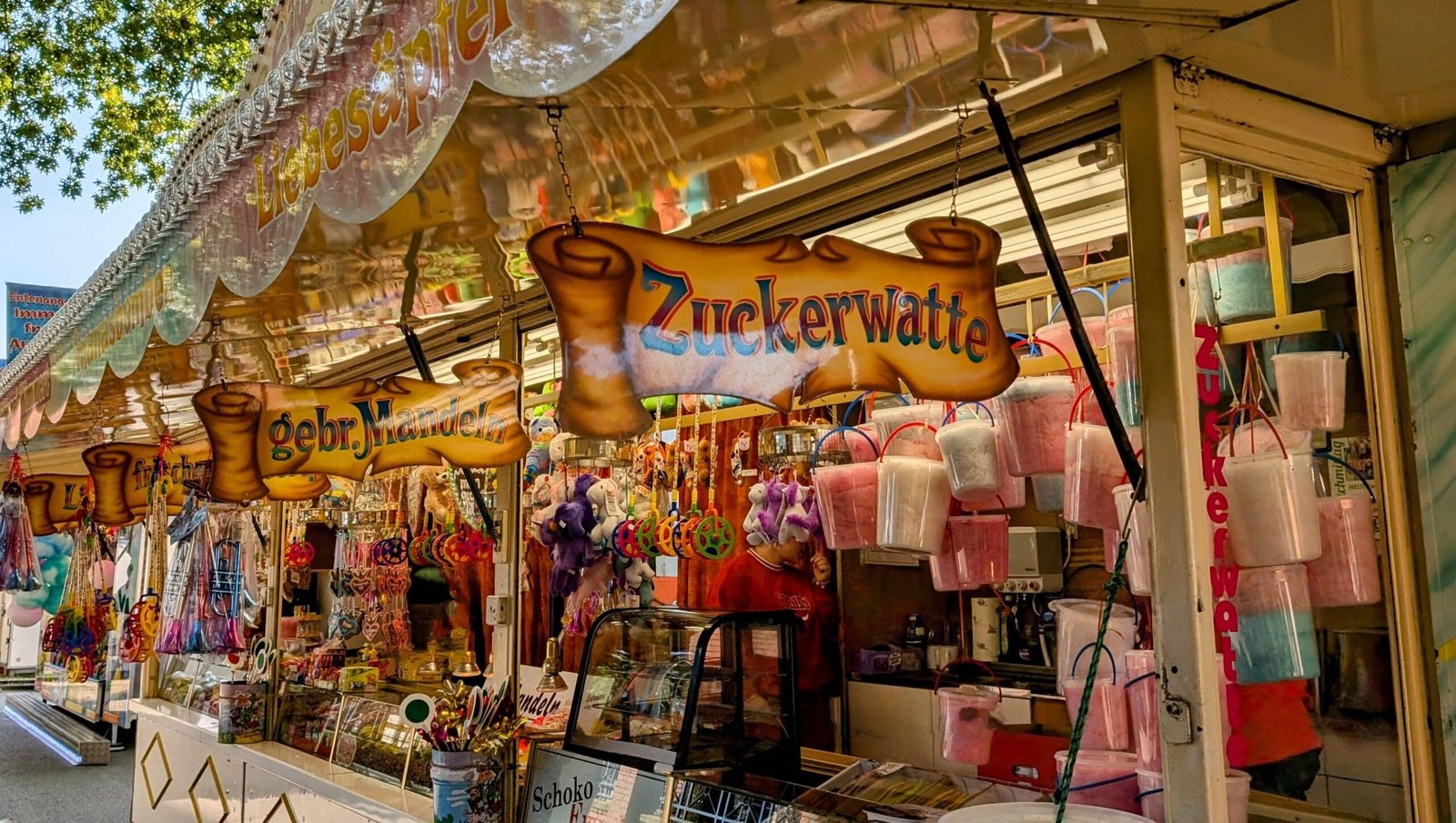
Germany’s food culture is often reduced to a few clichés — pretzels, sausages, and beer gardens — but spend a morning wandering through one of the country’s local markets, and you’ll quickly see there’s far more depth on offer. German market culture, or the Markt tradition, stretches back to medieval times, when market charters granted by regional rulers established the weekly gatherings that became the social and commercial heart of every German town. Remarkably, these markets have survived industrialization, two world wars, and the rise of the supermarket to remain vital, beloved institutions in daily German life.
These are not staged tourist attractions. They’re living food systems where professional chefs, home cooks, and casual browsers all shop side by side, connecting directly with the farmers, fishermen, bakers, and specialty producers who sustain the country’s culinary diversity. This guide takes you through some of Germany’s best local markets, city by city, so you can eat and shop like a local wherever your trip takes you.
Munich: Viktualienmarkt
No guide to German food markets would be complete without starting at Viktualienmarkt, widely considered the country’s most celebrated and most genuinely extraordinary permanent food market. Located in the heart of Munich’s old city, just steps from Marienplatz, this daily open-air market has been feeding locals and visitors since 1807, when King Maximilian I ordered it relocated from its original, too-small spot.
Today, Viktualienmarkt spans roughly 22,000 square meters and hosts over 140 vendors selling everything from fresh Bavarian specialties to imported delicacies. Highlights include a central beer garden serving beer from six different Munich breweries, the Schrannenhalle food hall (home to an Eataly outpost for Italian imports), and countless stalls selling fresh bread, cheese, produce, and regional sausages. It’s easily a half-day destination on its own, especially if you plan to sit down at the beer garden and people-watch for a while.
Foodie tip: Arrive with an appetite and no fixed plan — the joy of Viktualienmarkt is grazing your way through stalls rather than sticking to a single meal.
Munich: Elisabethmarkt
If Viktualienmarkt feels a bit overwhelming or overly touristed, head to Elisabethmarkt in the Schwabing neighborhood for a smaller, more intimate alternative. This is where many Munich locals actually do their daily grocery shopping, and it offers a genuinely authentic glimpse into everyday Bavarian food culture without the crowds of its more famous counterpart.
Foodie tip: This is a great stop if you want to see how residents actually shop day-to-day, rather than experiencing a market built partly around tourism.
Berlin: Markthalle Neun
Berlin’s Markthalle Neun is a beautifully restored covered market hall in Friedrichshain-Kreuzberg, dating back more than a century. Inside, you’ll find an excellent mix of fresh fish and seafood (including oysters), a well-regarded Italian bakery, freshly made pasta, craft beer, and a standout butcher shop with a glass display so you can watch products being prepared.
The market also hosts Street Food Thursday, a weekly evening event where roughly 30 international food stalls set up alongside the permanent vendors, serving everything from traditional German fare to sugarcane juice from Costa Rica and vegetable pancakes from Japan. It’s a fantastic way to sample global street food alongside Berlin’s own culinary scene in a single visit.
Foodie tip: Time your visit for a Thursday evening if international street food is what you’re after — the regular market hours are more focused on fresh, high-quality ingredients rather than prepared street eats.
Berlin: Mauerpark Street Food Market
Held on Wednesdays and Saturdays (weather permitting), the Mauerpark Street Food Market combines a farmers’ market with an excellent international street food section. Vendors here lean toward high-end ingredients and a well-curated selection, drawing in Berlin foodies looking for both quality and variety. Look out for dishes touched by the city’s diverse culinary influences, including Spanish paella, Syrian falafel, and freshly baked Sicilian-style pastries.
Foodie tip: Combine your visit with Mauerpark’s famous Sunday flea market for vintage finds, vinyl, and East German memorabilia — though note the food market itself runs on different days.
Berlin: Kulturbrauerei’s Street Food auf Achse
Set inside a striking 19th-century brewery complex that was saved from demolition after the fall of the Berlin Wall, Street Food auf Achse (“on the move”) takes over the Kulturbrauerei’s brick courtyards every Sunday. Food trucks serve an eclectic, ever-changing lineup — think empanadas alongside fresh oysters, and pulled pork next to leberkäse, Bavaria’s beloved meatloaf-style dish.
Foodie tip: The rotating vendor lineup means no two visits are quite the same, so it’s worth checking what’s on for that particular Sunday if there’s a specific cuisine you’re hoping to find.
Berlin: A Taste of Berlin’s Street Food Classics
Beyond the formal markets, Berlin’s street food identity is deeply tied to a couple of iconic dishes worth seeking out on their own. Currywurst — a boiled pork sausage sliced into bite-sized chunks and smothered in curry-spiced ketchup — has been a Berlin staple since 1949, and Konnopke’s Imbiss, tucked beneath the elevated U-Bahn line at Eberswalder Straße station, is one of the most celebrated spots to try it. The döner kebab, brought to Germany by Turkish guest workers in the 1960s and reportedly first served as a sandwich in Kreuzberg, is another essential Berlin street food experience found throughout the city.
Foodie tip: These two dishes are as much a part of Berlin’s food identity as anything found in its markets, so build time into your trip to try them at a dedicated stand rather than just in passing.
Hamburg: Hamburg Fish Market (Fischmarkt)
Hamburg’s legendary Fischmarkt, held every Sunday near the city’s harbor, draws more than 70,000 visitors on a typical weekend. True to its name, the market’s centerpiece is fresh fish from the Baltic Sea, sold alongside fruit, vegetables, and flowers. The real spectacle, though, is the lively fish auction, where crowds gather to watch vendors auction off their catch with theatrical flair. For hungry visitors, there’s also a solid selection of quick eats, from sandwiches and burgers to classic German sausages.
Foodie tip: Go early — the market starts at the crack of dawn (a Hamburg tradition tied to its harbor history), and the auction energy is best experienced before the crowds peak.
Hamburg: Goldbekmarkt
For a quieter, more scenic alternative, Goldbekmarkt sits along one of Hamburg’s canals and runs three times a week. At first glance it resembles a typical farmers’ market, but its stalls offer a genuinely impressive range of street food — from German sausages served with fresh sauerkraut to delicate French pastries. The canal-side setting makes it a lovely spot to grab something to eat and simply enjoy the atmosphere.
Foodie tip: This is a great pick if you want a relaxed, local-feeling market experience away from Hamburg’s busier tourist circuit.
Frankfurt: Kleinmarkthalle
While Munich and Berlin tend to dominate conversations about German food markets, Frankfurt holds its own with the Kleinmarkthalle, a bustling indoor food hall in the city center. Expect stalls selling fresh produce, regional cheeses, cured meats, and prepared foods, all set within a lively, historic building that’s been a Frankfurt institution for decades.
Foodie tip: Frankfurt’s food scene is often overlooked compared to Munich and Berlin, making the Kleinmarkthalle a great way to sample regional specialties without the crowds of the country’s more famous markets.
Munich: Auer Dult
For something a bit different, Auer Dult is one of Munich’s oldest markets, with roots stretching back to the 14th century, and it’s held three times a year at Mariahilfplatz. While it leans more toward household goods, antiques, and crafts than food specifically, it’s a wonderful complement to a Munich food tour and offers insight into a market tradition even older than Viktualienmarkt itself.
Foodie tip: Check the specific dates before you go, since this market only runs a few times per year rather than continuously.
Tips for Visiting German Markets Like a Local
- Bring cash. Many stalls, especially smaller family-run ones, don’t accept cards, so having euros on hand avoids awkward moments at checkout.
- Go hungry, and graze rather than commit to one stall. Markets are meant for sampling — a little from several vendors is often more rewarding than a single large meal.
- Ask vendors for recommendations. Many stallholders are happy to share their favorite pairing or a lesser-known specialty if you show genuine interest.
- Check opening days carefully. Unlike supermarkets, many German markets operate on specific days or limited hours (some also close on Mondays), so confirm before planning your visit around one.
- Bring a reusable bag. If you’re buying fresh produce, cheese, or bread to take with you, a tote makes carrying your finds far easier.
Final Thoughts
Germany’s markets offer something far richer than the country’s food stereotypes suggest — an ever-evolving mix of centuries-old tradition and genuinely global influence, all happening in the same stalls week after week. Whether you’re grazing your way through Munich’s Viktualienmarkt, catching the Sunday auction at Hamburg’s Fischmarkt, or sampling international street food under Berlin’s converted brewery roof, each market offers its own distinct flavor of German life.
Skip the tourist traps, follow the locals, and let your appetite lead the way — Germany’s markets are ready to show you a side of the country’s food culture that no restaurant menu quite captures.