
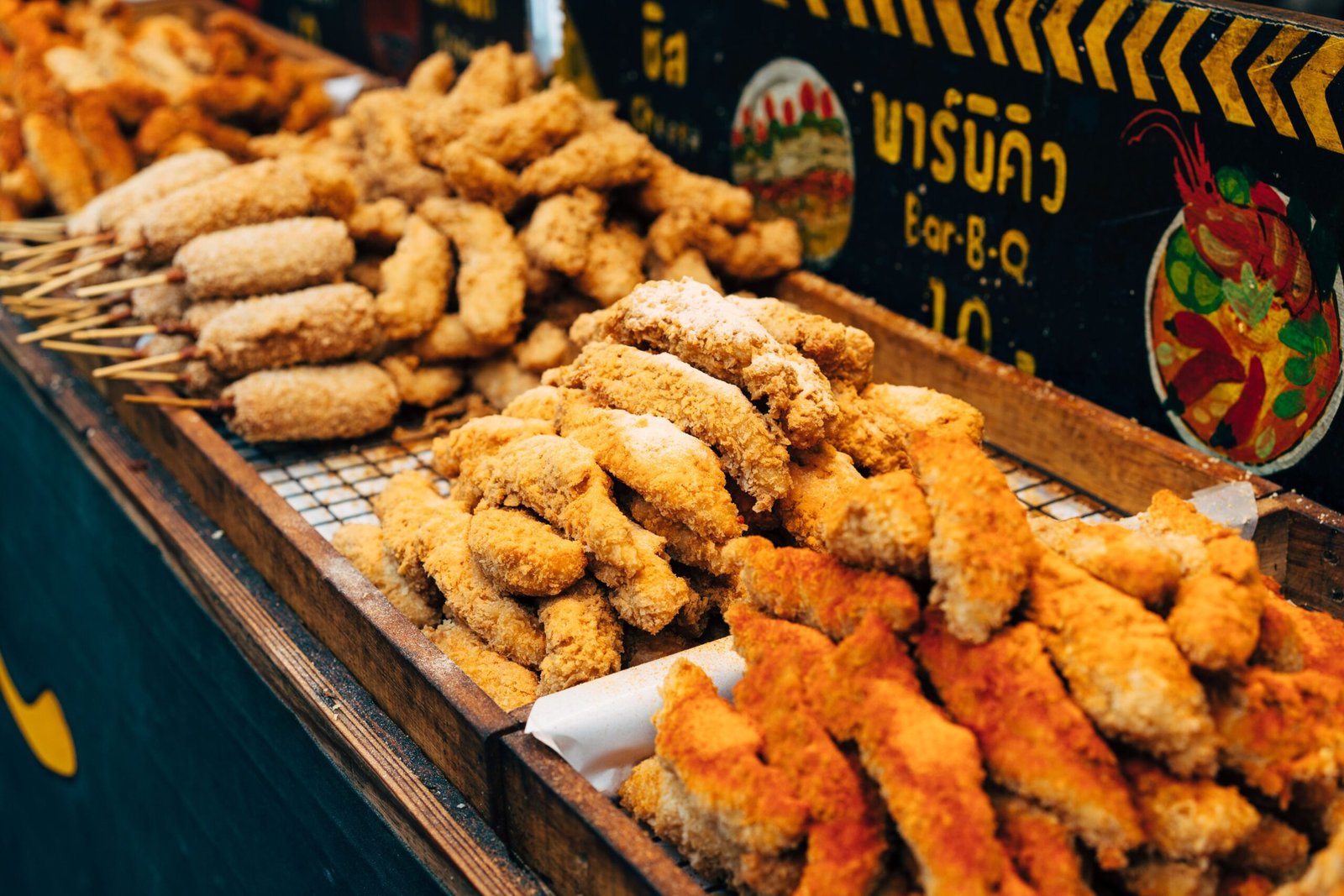
Ask anyone who’s traveled through Southeast Asia what they remember most, and food comes up almost immediately — not fancy restaurant meals, but the plastic stools, the sizzling woks, and the incredible flavors coming from street stalls and night markets. This is where the region’s culinary soul really lives: affordable, unpretentious, and often better than anything you’ll find on a formal menu.
If you’re heading to Southeast Asia for the first time, here are five iconic street foods that deserve a spot on your must-try list — one from each of five different countries, so you get a real taste of the region’s range.
1. Pad Thai (Thailand)
No conversation about Southeast Asian street food gets far without mentioning Pad Thai, and for good reason. This classic Thai noodle dish combines rice noodles, egg, fish sauce, tamarind paste, garlic, and palm sugar, all stir-fried together and typically topped with crushed peanuts, fresh chili, and a wedge of lime.
What makes Pad Thai such a perfect introduction to Thai street food is its balance — sweet, salty, sour, and a touch of spicy, all in one bowl. You’ll find it cooked to order at street stalls and night markets throughout Bangkok and beyond, often prepared right in front of you in a single sizzling wok.
Where to try it: Bangkok’s street stalls and night markets are the classic setting, though you’ll find excellent versions throughout the country.
2. Banh Mi (Vietnam)
Banh Mi is one of the most satisfying fusions in all of street food: a crispy French baguette filled with Vietnamese ingredients like grilled or roasted meat, pickled vegetables, fresh herbs, and a swipe of pâté or mayonnaise. It’s the kind of sandwich that can easily replace an entire meal, and at typical street prices of well under $2, it’s one of the best-value bites you’ll find anywhere in the region.
Banh Mi’s appeal lies in its contrast of textures and flavors — the crunch of the baguette against the tang of pickled carrot and daikon, the richness of the meat, and the brightness of fresh cilantro all in a single bite.
Where to try it: Hoi An is widely considered one of the best places in Vietnam for Banh Mi, with several stalls famous for serving the exact sandwich once shared by high-profile visitors passing through the city.
3. Satay (Indonesia)
Satay consists of skewered, grilled meat — commonly chicken, though beef and lamb versions are common too — served with a rich, creamy peanut sauce that’s become one of Southeast Asia’s most recognizable condiments. The meat is typically marinated before grilling, giving it a smoky, slightly charred flavor that pairs beautifully with the sauce’s sweetness and depth.
Indonesian street food in general leans into bold, complex flavors with a subtle smoky heat, and Satay is a perfect, approachable entry point if you’re new to the region’s chili-forward cooking style.
Where to try it: Satay is widely available across Indonesia and much of Southeast Asia, from bustling city street carts to smaller local markets, usually grilled fresh over open flame.
4. Laksa (Malaysia and Singapore)
Laksa is a spicy noodle soup with deep, layered flavor — typically built on a base of coconut milk and chili paste, though the exact style varies significantly depending on the region. Some versions lean richer and creamier, while others are more sour and broth-forward, but nearly all versions share a genuinely satisfying heat and complexity that makes it a standout among Southeast Asian noodle soups.
Laksa is a great example of how much regional variation exists even within a single dish — trying a few different versions across your trip can be a fun way to compare local takes on the same classic.
Where to try it: Both Malaysia and Singapore claim strong Laksa traditions, and you’ll find excellent versions in hawker centers and street stalls throughout both countries.
5. Chili Crab (Singapore)
Chili Crab is Singapore’s most iconic street food success story — and it’s every bit as messy as it is delicious. Mud crab is cooked in a thick, tangy, semi-sweet chili and tomato sauce, and eating it properly means getting your hands dirty cracking the shell to reach the meat inside. Most orders come with steamed buns on the side, perfect for mopping up the leftover sauce once the crab is gone.
Though it’s now served in specialty restaurants as much as on the street, Chili Crab actually got its start from a humble pushcart in 1950s Singapore, making it a genuine piece of the city’s street food history rather than just a modern invention.
Where to try it: Singapore’s hawker centers remain some of the best (and most affordable) places to try an authentic version, alongside dedicated seafood restaurants across the city.
A Few Tips for Enjoying Street Food Like a Local
- Follow the crowds. A stall with a long line of locals is almost always a better bet than an empty one aimed at tourists.
- Start small. If you’re new to the region’s spice levels, order a smaller portion or ask for mild before committing to a full spicy dish.
- Bring small bills. Street vendors often can’t break large notes, and having exact or small change makes transactions much smoother.
- Consider a local food tour early in your trip. A good guide can introduce you to the food culture quickly and point you toward hidden gems you might not find on your own.
- Pace yourself. With so many incredible options, it’s tempting to try everything at once — but street food is best enjoyed slowly, one unhurried bite at a time.
Final Thoughts
These five dishes are just a small taste of what Southeast Asia’s street food scene has to offer, but they’re an excellent starting point for understanding the region’s incredible culinary range — from Thailand’s balanced, tangy noodles to Singapore’s rich, messy seafood classics. Each dish tells its own story about the culture and history behind it, and trying them where they originated is one of the most memorable ways to connect with the place you’re visiting.
So grab a plastic stool, order with confidence, and let the streets do the talking.